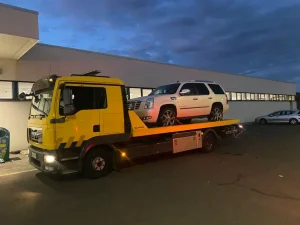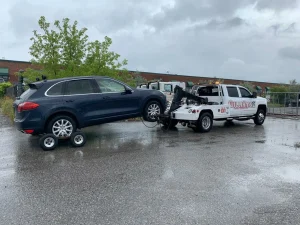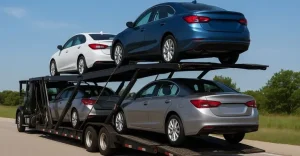

Enclosed car transport provides an additional layer of protection from outdoor conditions during vehicle shipping. HarborWay Auto Transport helps customers explore enclosed shipping options for classic cars, luxury vehicles, exotic automobiles, and other specialty vehicles that may benefit from covered transportation. Discuss your vehicle's requirements, pickup and delivery locations, and scheduling preferences to determine whether enclosed transport is appropriate.
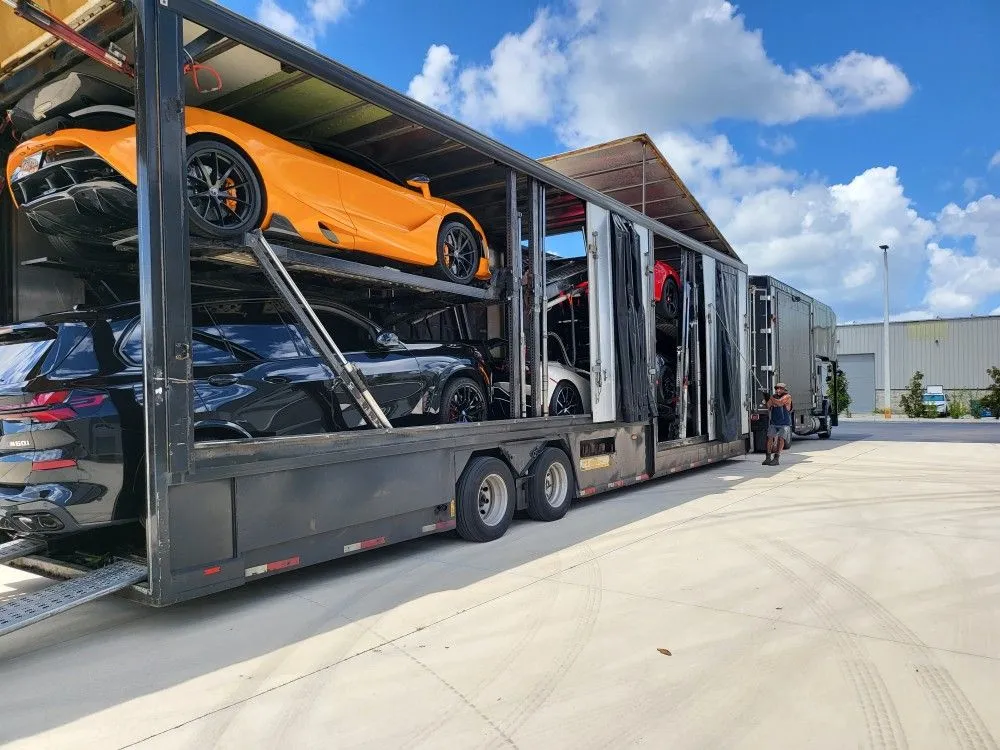
Some vehicles deserve special consideration when it is time to arrange transportation. Classic automobiles, luxury cars, exotic sports cars, collector vehicles, and carefully maintained specialty cars may require a shipping method that prioritizes additional protection from outdoor exposure.
HarborWay Auto Transport helps customers explore enclosed car transport options for vehicles traveling from Atlanta, Georgia, and other locations, subject to route and carrier availability.
Whether you are relocating a prized automobile, purchasing a specialty vehicle from another state, or arranging transportation for a car show or collection, understanding enclosed shipping can help you make an informed decision.
Enclosed car transport uses a covered trailer to carry vehicles during transit. Unlike an open carrier, an enclosed trailer helps shield the transported vehicle from direct exposure to weather, dust, and road debris.
This additional protection is one reason owners of valuable, rare, or specialty vehicles may prefer enclosed shipping.
The actual equipment, loading process, capacity, and handling arrangements depend on the carrier selected for the shipment. Customers should discuss special requirements before confirming a booking.
Vehicles traveling on open carriers can encounter rain, dust, wind, and road debris. An enclosed trailer provides a physical barrier that helps reduce direct exposure to these elements.
Although enclosed transport offers additional protection, it does not eliminate all risks associated with vehicle transportation. Appropriate handling, secure loading, documentation, and suitable insurance arrangements remain important.
Classic and collector vehicles can have distinctive finishes, original components, restoration work, or other features that owners want to preserve.
Enclosed transport may be an appropriate option when moving these vehicles between storage facilities, private collections, restoration shops, auctions, or shows.
Before booking, explain any special handling requirements and confirm that the selected carrier can accommodate the vehicle.
Luxury and exotic automobiles may have specialized bodywork, low ground clearance, wide tires, or other characteristics that affect loading and transport.
Enclosed shipping may be worth considering for these vehicles, especially when additional protection from outdoor exposure is a priority.
Make sure to disclose the vehicle’s dimensions, modifications, and operating condition. Low-clearance vehicles may require particular loading equipment or a suitable trailer configuration.
For owners who are concerned about the condition of their vehicles, knowing that a covered trailer will be used may provide reassurance throughout the transportation process.
Clear communication and realistic expectations remain essential. Ask the transportation provider about the loading procedure, inspection documentation, carrier details, and applicable insurance coverage.
Enclosed transport may be suitable for owners of classic cars, collector automobiles, luxury sedans, exotic sports cars, specialty vehicles, and certain restored or modified vehicles.
It may also be considered for vehicles traveling long distances when the owner prefers additional protection from weather and road debris.
The best option depends on the vehicle’s value and condition, the shipping route, available equipment, budget, and personal preferences.
Start by providing the vehicle details, pickup and delivery locations, and preferred dates. Describe any unusual dimensions, low ground clearance, mechanical limitations, or special handling requirements.
The transportation provider can then assess the requirements and discuss the available options. Before booking, review the quote, scheduling expectations, payment conditions, cancellation terms, and insurance arrangements.
Before pickup, clean the exterior sufficiently to make its condition visible. Photograph the bodywork, wheels, glass, and any existing damage. Remove personal belongings unless their carriage has been expressly permitted under the applicable terms.
At pickup, review the condition report and confirm that visible existing damage is recorded. At delivery, inspect the vehicle carefully and document any discrepancies before completing the delivery paperwork, following the applicable process.
Open transport is widely used for standard vehicles and is generally more economical. Enclosed transport usually costs more but provides a covered environment that can help reduce direct exposure to outdoor conditions.
For an everyday vehicle, open shipping may be entirely appropriate. For a valuable classic car or an exotic vehicle, the additional cost of enclosed transport may be worth considering.
The decision should be based on your specific priorities rather than assuming that one method is best for every vehicle.
Enclosed shipping prices may vary based on distance, vehicle dimensions, route availability, carrier equipment, scheduling requirements, and pickup or delivery accessibility.
Specialized handling and unusual vehicle dimensions may also affect the quote.
Request a shipment-specific estimate and ask which services and charges are included. Confirm the applicable payment and cancellation conditions before proceeding.
Located at 995 Farrington Pl SE, Atlanta, GA 30315, HarborWay Auto Transport helps customers explore enclosed car transport and other vehicle shipping services.
We aim to make transportation planning easier by discussing vehicle requirements, explaining available shipping options, and helping customers understand the arrangements involved.
Find answers to some common questions about car shipping and vehicle transportation.
The cost depends on the distance, vehicle size and condition, shipping method, route demand, pickup and delivery locations, and requested schedule. Contact HarborWay Auto Transport with your shipment details to discuss a quote.
Delivery time varies according to the distance, route, carrier schedule, traffic, weather, and pickup or delivery arrangements. An estimated scheduling window can be discussed when your shipment is arranged, but it should not be treated as a guarantee unless expressly agreed.
Open transport is commonly selected for everyday vehicles and is generally more economical. Enclosed transport provides additional protection from direct exposure to weather and road debris and may suit classic, luxury, or specialty vehicles. The best choice depends on your vehicle, budget, and preferences.
Transportation availability depends on the requested route, vehicle details, carrier availability, and applicable requirements. Provide your pickup and delivery locations so the available options can be evaluated.
Remove personal belongings, photograph the vehicle's existing condition, disclose mechanical issues and modifications, and follow the carrier's instructions for fuel, keys, and accessories. Review the pickup condition report and retain a copy of your shipping documents.