
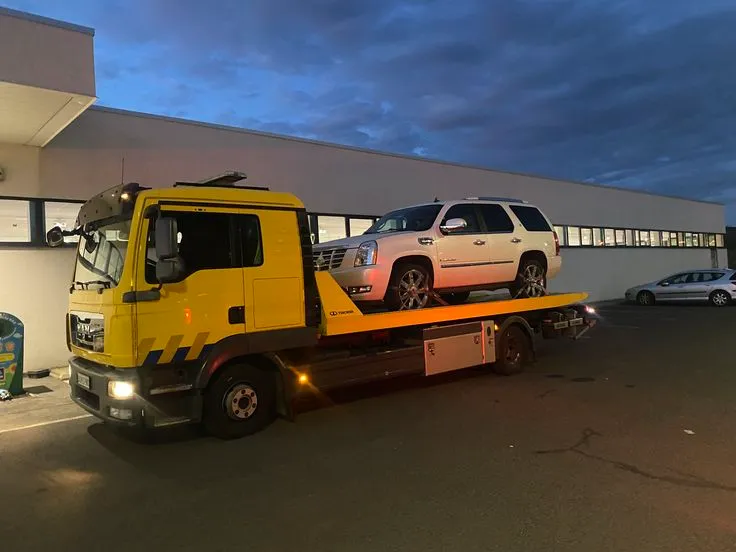
Moving a vehicle to another city or state can require considerable planning. Driving long distances takes time, adds mileage to your car, and may involve fuel, lodging, and other travel expenses. Door-to-door auto transport offers an alternative by arranging vehicle pickup and delivery as close to your specified locations as safely and legally possible.
For customers in Atlanta, Georgia, and people shipping vehicles to or from the area, understanding the process can make planning easier.
What Is Door-to-Door Auto Transport?
Door-to-door auto transport is a shipping arrangement in which the carrier aims to collect and deliver your vehicle near the addresses you provide.
Despite the name, a transport truck may not always be able to reach your exact driveway or building entrance. Narrow residential streets, low-hanging branches, parking restrictions, traffic conditions, and local regulations can limit access.
If direct access is not practical, you and the carrier may agree on a nearby safe and accessible meeting point.
Step 1: Request a Car Shipping Quote
The first step is to provide information about your shipment.
Typical details include your pickup and delivery locations, vehicle make and model, preferred shipping dates, and selected transportation method.
You may also need to disclose whether the vehicle runs, whether it has been modified, and whether it has unusual dimensions. These details can affect carrier availability and pricing.
When comparing quotes, look beyond the headline price. Ask whether the quote includes the applicable transportation charges, whether additional fees may apply, and what cancellation or rescheduling conditions are in place.
Step 2: Confirm Your Booking and Pickup Details
Once you select a shipping arrangement, review the booking terms carefully.
Confirm the pickup and delivery locations, the estimated scheduling window, payment arrangements, cancellation terms, and the responsibilities of each party.
Depending on the arrangement, the company providing your quote may be a transportation broker, a motor carrier, or another type of service provider. Ask who will arrange or physically perform the transportation and obtain the relevant carrier details.
Before pickup, remove personal items unless specifically permitted under the agreed terms. Make sure the vehicle is accessible, disclose mechanical issues, and follow the carrier’s instructions regarding fuel, keys, and vehicle preparation.
Step 3: Inspect the Vehicle at Pickup
A vehicle inspection is an important part of the shipping process.
The pickup inspection should document the vehicle’s visible condition. Review the condition report or bill of lading and take your own dated photographs from several angles.
Make sure existing scratches, dents, cracked lights, or other visible damage are recorded accurately.
Keep a copy of the paperwork and ask questions if something is unclear before signing.
Step 4: Your Vehicle Travels to Its Destination
After pickup, the vehicle is transported along the planned route. Transit times vary according to distance, weather, traffic, carrier schedules, pickup and delivery access, and other circumstances.
Because carriers often transport multiple vehicles and coordinate several stops, delivery may not follow the same schedule as a direct personal road trip.
Request updates through the agreed communication channel, and contact your transportation provider if your plans change or you need clarification about the estimated arrival.
Step 5: Inspect Your Vehicle at Delivery
When the vehicle arrives, inspect it carefully before completing the delivery process.
Compare its condition with the original pickup report and your photographs. Check the exterior, lights, wheels, and other accessible areas for visible changes.
If you identify new damage, document it with photographs and note the issue on the delivery paperwork before signing, where permitted by the applicable process. Notify the carrier and the appropriate transportation provider or insurer promptly, following the applicable claim requirements.
Keep copies of all shipping documents and communications.
What Affects Door-to-Door Shipping Costs?
Several factors may affect the final price:
- Distance between pickup and delivery locations.
- Vehicle size, weight, and condition.
- Open or enclosed transport selection.
- Route demand and seasonal conditions.
- Pickup and delivery accessibility.
- Requested scheduling and special handling requirements.
The most useful quote is one based on accurate information about your specific shipment.