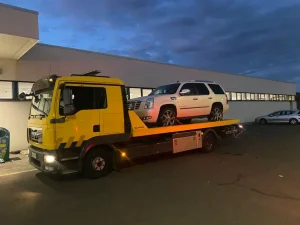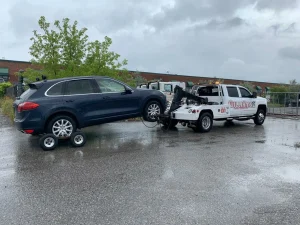

HarborWay Auto Transport helps customers arrange state-to-state auto transport for relocations, vehicle purchases, seasonal moves, and other long-distance transportation needs. Whether you are shipping a sedan, SUV, pickup truck, or specialty vehicle, we help you explore available options based on your route, vehicle condition, preferred dates, and shipping requirements.
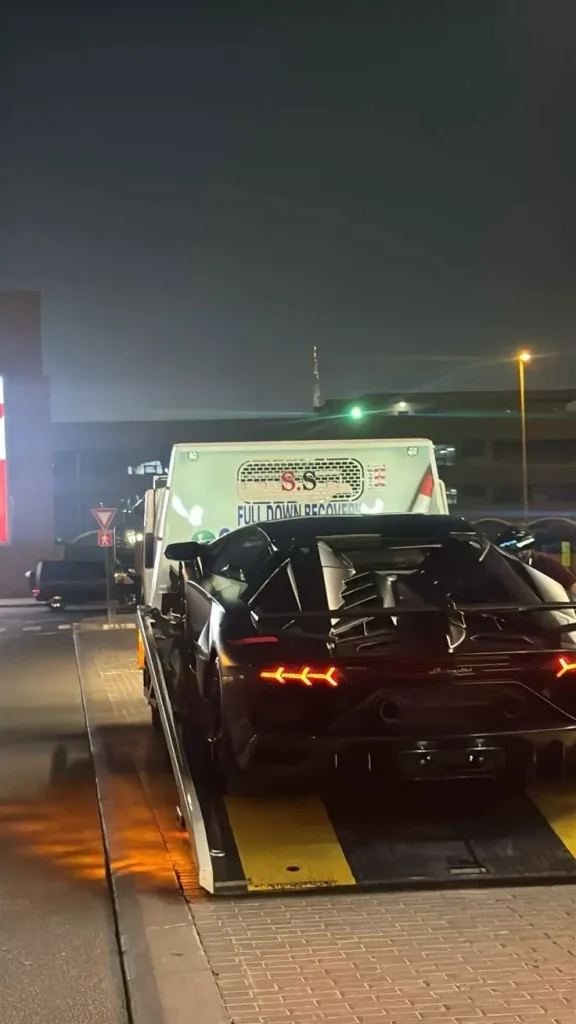
Moving a vehicle from one state to another can involve significant time, planning, and travel expenses. State-to-state auto transport provides an alternative to driving your vehicle across long distances, allowing you to coordinate vehicle transportation separately from your own travel arrangements.
HarborWay Auto Transport helps customers explore interstate vehicle shipping options from Atlanta, Georgia, and other locations, subject to carrier availability and the requirements of each route.
Whether you are relocating for a new job, purchasing a car from an out-of-state seller, moving your family to a new home, or arranging transportation for a student, interstate auto transport can make your plans easier to coordinate.
State-to-state auto transport involves moving a vehicle from a pickup location in one state to a delivery location in another.
For example, a customer relocating from Georgia to Florida may prefer to ship a vehicle rather than drive it. Another customer purchasing a car from a seller in Texas may arrange transportation to their home in Georgia.
The actual route, carrier, pickup schedule, and delivery estimate depend on the shipment details and available transportation arrangements.
A long-distance move often involves packing, organizing a new home, coordinating work schedules, and arranging travel for family members.
Shipping a vehicle separately can help reduce the need to drive it across the entire route. This may be especially useful when a family has multiple vehicles or when driving the vehicle is not convenient.
Online vehicle listings and out-of-state dealerships can offer buyers access to a wider selection of cars.
Once the purchase is finalized and the seller is ready to release the vehicle, state-to-state transport may provide a practical way to move it to the buyer’s preferred destination.
Confirm ownership and release requirements, vehicle availability, and pickup arrangements before scheduling transportation.
Students moving between their home state and university may need a convenient way to relocate their vehicles.
Similarly, people who travel seasonally or spend extended periods in different states may consider vehicle shipping when driving long distances is impractical.
The appropriate shipping method and schedule depend on the destination, seasonal demand, and the customer’s individual requirements.
Individuals and businesses arranging vehicle purchases, relocations, or other transportation needs may benefit from interstate shipping.
For multiple vehicles or unusual vehicle types, provide accurate details so the transportation requirements can be assessed before a booking is confirmed.
State-to-state shipping can often be arranged using different transportation methods.
Open car transport is commonly used for standard vehicles and is generally a more economical option. Enclosed car transport uses a covered trailer that helps protect vehicles from direct exposure to outdoor conditions.
The best method depends on the vehicle, budget, route availability, and the owner’s priorities.
Before selecting a method, consider the vehicle’s condition, value, ground clearance, and any special handling requirements. Ask the transportation provider to explain the available options and applicable terms.
Share your pickup and delivery locations, vehicle make and model, operating condition, and preferred shipping dates.
Accurate information helps the transportation provider assess the route and determine which shipping arrangements may be suitable.
Review the proposed price, estimated pickup and delivery windows, transportation method, payment terms, cancellation policy, and applicable insurance information.
Confirm who will arrange the transportation and which motor carrier will perform it, as applicable.
Do not assume that an initial quote guarantees a specific pickup date or delivery time unless the relevant terms expressly provide for it.
Remove personal belongings, photograph the vehicle’s condition, and follow the carrier’s instructions concerning fuel, keys, and accessories.
Disclose mechanical problems, modifications, and unusual dimensions before pickup.
Confirm the pickup and delivery locations and make sure the carrier can access them safely and legally.
At pickup, review the vehicle condition documentation and retain a copy. During transit, communicate through the agreed contact channel if you need an update.
At delivery, inspect the vehicle carefully and document any visible discrepancies before completing the delivery process, following the applicable procedures.
Several factors may affect your quote, including:
A longer route does not necessarily mean the cost will increase in direct proportion to the mileage. Carrier availability, route demand, and other shipment-specific factors can also influence pricing.
Request a quote based on your actual pickup and delivery locations, and ask about any conditions that may affect the final price.
Planning ahead can make the process easier. Allow flexibility around estimated pickup and delivery windows, keep your contact information current, and ensure someone is available to release or receive the vehicle as agreed.
If your schedule changes, notify the transportation provider as early as possible. Confirm any revised arrangements and applicable charges before proceeding.
HarborWay Auto Transport, located at 995 Farrington Pl SE, Atlanta, GA 30315, helps customers explore state-to-state auto transport and other vehicle shipping options.
We aim to make transportation planning straightforward by explaining the information needed for a quote and helping customers understand the available arrangements for their routes.
Find answers to some common questions about car shipping and vehicle transportation.
The cost depends on the distance, vehicle size and condition, shipping method, route demand, pickup and delivery locations, and requested schedule. Contact HarborWay Auto Transport with your shipment details to discuss a quote.
Delivery time varies according to the distance, route, carrier schedule, traffic, weather, and pickup or delivery arrangements. An estimated scheduling window can be discussed when your shipment is arranged, but it should not be treated as a guarantee unless expressly agreed.
Open transport is commonly selected for everyday vehicles and is generally more economical. Enclosed transport provides additional protection from direct exposure to weather and road debris and may suit classic, luxury, or specialty vehicles. The best choice depends on your vehicle, budget, and preferences.
Transportation availability depends on the requested route, vehicle details, carrier availability, and applicable requirements. Provide your pickup and delivery locations so the available options can be evaluated.
Remove personal belongings, photograph the vehicle's existing condition, disclose mechanical issues and modifications, and follow the carrier's instructions for fuel, keys, and accessories. Review the pickup condition report and retain a copy of your shipping documents.